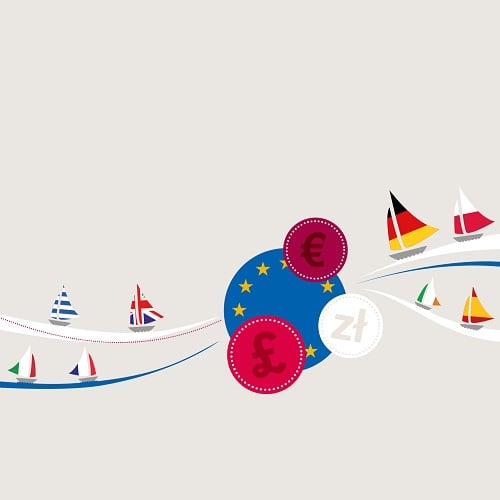

The European economy, still continuing its economic recovery after the 2008 financial crisis, faces many potential risks. Though varied, they fall into two broad categories. Firstly, a band of social and political pressures which are driving media headlines: a potential ‘Brexit’, the migrant crisis and the continued rise of nationalist sentiment. Secondly, we have economic issues that have been present for a good few years: high unemployment, low inflation and persistently low economic growth.
Filter insights by:
Showing 9 of 9 content results
This publication explains and illustrates key tools companies can use to make their financial statements an effective communcation tool.
The gender diversity issue has been on the business agenda for many years now, yet a third of businesses still have no women at a senior management level. Somewhere there is a disconnect.
In light of growing international interest and scrutiny of corporate practices we set out to explore how three major aspects of governance – the role of culture, board composition and strategic planning – are affecting businesses around the world.
There are a number of cost and commercial reasons why a group may consider relocating, but it is also important to understand the consequences.
In the IT sector, the use of contracts is a well-adopted practice in comparison to other industries. This is not surprising, as our society is becoming increasingly digitised, but specific legislation is often still missing. As an ICT supplier, you are most likely confronted with several contracts on a daily basis. You understand the framework of these agreements concerning transfer of IP rights (Intellectual Property), time-and-material versus fixed price, KPI’s, service levels, and many other terms.
The hotel industry is going through a period of unprecedented, irreversible change and will look very different in 2020 than it does today.
Private equity has always focused on creating value and helping promote growth in portfolio companies. Since the industry began, private equity firms have tried many ways to meet this ultimate objective – and with varying success. Now, post the global financial crisis, the question being asked more than ever is: how can private equity deliver its value-added promises?
With momentum building towards the UN Climate Change Conference in Peru, new figures from IBR reveal that businesses leaders in emerging markets are more focused on the sustainability of their operations compared with peers in developed markets.