Grant Thornton understands that multinational tax challenges are among the most complex and expensive issues facing companies with international operations. And expatriate tax issues are a key consideration for companies working across borders.

The US is the largest economy in the world and home to approximately 320 million people. Growth rates remain steady, albeit below pre-crisis levels, and job creation has been strong. Congressional dysfunction, particularly around tax reform is a major concern for business leaders while the strong dollar is weighing on exports. Below is our advice about expanding into the US and its ranking in the Global Dynamism Index 2015.
Australia is the 12th largest economy in the world and home to over 23 million people. China has been the country's largest trading partner since 2009 and booming commodity exports to its Asian neighbour meant Australia avoided recession during the financial crisis. Here you'll find some guidance about doing business in Australia and how it fared in the Global Dynamism Index 2015.
Advanced Pricing Agreements (APAs) are helping to alleviate the risk of double taxation. In turn, Mutual Agreement Procedures (MAPs) may offer a smoother path to conflict resolution. But neither is a panacea.
Mexico is the 15th largest economy in the world, the second largest in Latin America and has over 122 million inhabitants. Growth rates remain closely tied to those of its US neighbour and the destination for over 75% of exports. The government hopes that an ambitious programme of reform should boost long-term economic prospects. Read about doing business in Mexico and how it fared in the Global Dynamism Index 2015.
Welcome to the third edition of Transfer Pricing News. This provides updates on transfer pricing developments from a number of countries across the globe – a necessity in the global economy we all now inhabit.
Classification of a financial instrument as either liability or as equity has an immediate and significant effect on an entity’s reported results and financial position. Liability classification for instance affects an entity’s gearing ratios and typically results in any payments being treated as interest and charged to earnings. This guide addresses the key application issues to consider and includes interpretational guidance in certain problematic areas.
Singapore's economy ranks 36th in the world and has a population of just over 5 million people. The economy is heavily dependent on trade flows and the government is promoting an active industrial strategy designed to diversify and strengthen the economy long-term and upgrade the skills of local workers. Below you can read more information about Singapore and its Global Dynamism Index ranking.
Many companies find the accounting for deferred tax causes significant practical difficulties. This guide summarises the approach required by IAS 12 'Income Taxes' and provides examples of the disclosures required by it. It also looks in detail at some of the more complex areas of preparation of a deferred tax computation, for example the calculation of deferred tax balances arising from business combinations.
This Expatriate tax ebook has been designed to provide an overview of the different tax systems around the globe and gives further information about tax systems and regulations in specific countries.
Grant Thornton understands that multinational tax challenges are among the most complex and expensive issues facing companies with international operations. And expatriate tax issues are a key consideration for companies working across borders.
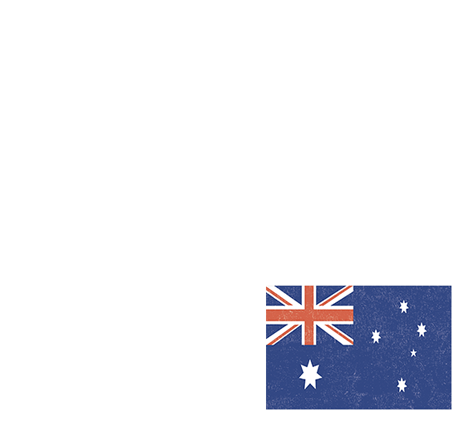
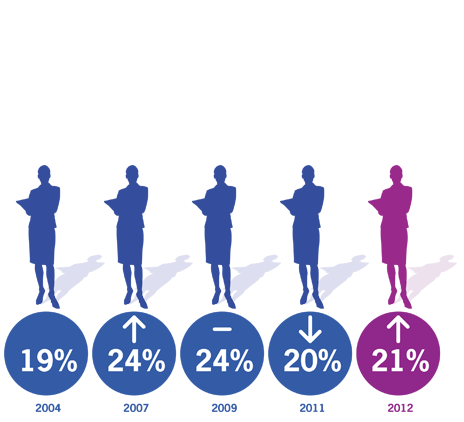
The past 12 months have seen women take the lead in some of the toughest economic and political environments, and they also head governments in countries such as Argentina, Australia, Brazil and Thailand.
Germany is the fourth largest economy in the world and the largest in Europe. The economy has not proved immune from the sovereign debt crisis in the Eurozone but it remains the third largest exporter in the world –in 2014 Germany recorded the largest trade surplus globally. Here's some guidance about expansion into Germany and how it fared in the Global Dynamism Index 2015.
We believe that dynamic organisations need to apply both reason and instinct to decision making. Deciding which markets your business should operate in is no different.
Increasing attention on companies’ cash generation and liquidity position has led financial statement users, regulators and other commentators to focus increasingly on the Statement of Cash Flows. However, this additional focus and scrutiny has also highlighted some common errors and inconsistencies in its preparation. This Guide aims to remind management of IAS 7's basic requirements; highlight interpretative and practical application issues; and provide insights to address these issues.
As the fourth largest oil exporter in the world, Canada avoided recession during the financial crisis, but the dramatic and sustained fall in the global oil price leaves all sectors of the economy vulnerable. It's still coming in as the eleventh largest economy in the world in the 2015 Global Dynamism Index and it's home to 35 million people. Below you'll find tools to inform your international expansion.