Dominic King, Editor - global research, draws on a session at the 2015 IMF/World Bank Spring Conference to ask why regional trade deals are trumping a multilateral agreement and how the digital economy is reshaping globalisation.
The European Commission unveil plans to combat corporate tax avoidance and tackle businesses exploiting the complexity of tax rules.
There are a number of cost and commercial reasons why a group may consider relocating, but it is also important to understand the consequences.
Companies are increasingly focused on high-quality strategic transactions, with less time spent on investigating peripheral opportunities, according to our International Business Report (IBR), a survey of 5,400+ business leaders in 35 economies.
Grant Thornton article discussing the impact of the Foreign Account Tax Compliance Act (FATCA) on non-US companies.
Businesses in the world’s three biggest economies, the United States, China and Japan, are increasingly feeling the heat when it comes to recruiting skilled staff. Given that these countries together represent over a third of global output, a deficit of skilled staff could have a significant knock-on effect on economic growth not just in these economies but beyond.
Recession, economic uncertainty, and market volatility have forced many miners out of the industry and brought others to the point of insolvency.
The appetite for cross-border deals has rocketed by 18% during the past 12 months. This is the key finding from our latest research that looks at attitudes to mergers and acquisitions (M&A) among business leaders worldwide.
These are the results of the Grant Thornton Global Dynamism Index (GDI) 2013, an annual research project designed by the Economist Intelligence Unit, which ranks the development of the business growth environments of 60 of the world's largest economies over the past 12 months.
The US is the largest economy in the world and home to approximately 320 million people. Growth rates remain steady, albeit below pre-crisis levels, and job creation has been strong. Congressional dysfunction, particularly around tax reform is a major concern for business leaders while the strong dollar is weighing on exports. Below is our advice about expanding into the US and its ranking in the Global Dynamism Index 2015.
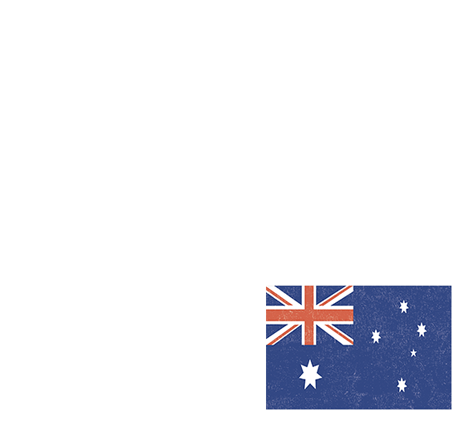
Australia is the 12th largest economy in the world and home to over 23 million people. China has been the country's largest trading partner since 2009 and booming commodity exports to its Asian neighbour meant Australia avoided recession during the financial crisis. Here you'll find some guidance about doing business in Australia and how it fared in the Global Dynamism Index 2015.
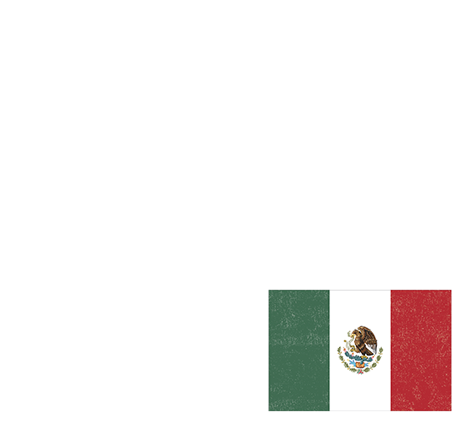
Mexico is the 15th largest economy in the world, the second largest in Latin America and has over 122 million inhabitants. Growth rates remain closely tied to those of its US neighbour and the destination for over 75% of exports. The government hopes that an ambitious programme of reform should boost long-term economic prospects. Read about doing business in Mexico and how it fared in the Global Dynamism Index 2015.
Singapore's economy ranks 36th in the world and has a population of just over 5 million people. The economy is heavily dependent on trade flows and the government is promoting an active industrial strategy designed to diversify and strengthen the economy long-term and upgrade the skills of local workers. Below you can read more information about Singapore and its Global Dynamism Index ranking.
Germany is the fourth largest economy in the world and the largest in Europe. The economy has not proved immune from the sovereign debt crisis in the Eurozone but it remains the third largest exporter in the world –in 2014 Germany recorded the largest trade surplus globally. Here's some guidance about expansion into Germany and how it fared in the Global Dynamism Index 2015.
We believe that dynamic organisations need to apply both reason and instinct to decision making. Deciding which markets your business should operate in is no different.
As the fourth largest oil exporter in the world, Canada avoided recession during the financial crisis, but the dramatic and sustained fall in the global oil price leaves all sectors of the economy vulnerable. It's still coming in as the eleventh largest economy in the world in the 2015 Global Dynamism Index and it's home to 35 million people. Below you'll find tools to inform your international expansion.