Business leaders remain cautious about their current and future commitment to M&A. However, this year’s results reveal an increased appetite for cross-border acquisitions, which is at its highest level since the IBR first asked this question in 2008.
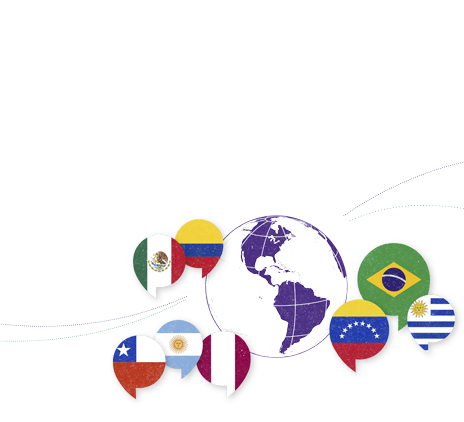
The next 12 months hold a number of opportunities and challenges for Latin America. An estimated 600,000 visitors will descend on Brazil for the FIFA World Cup. They will be joined by television viewers across the globe as Brazil attempts to show the world that despite stadia construction delays and social unrest during the Confederations Cup last summer, it is open for business.
Drawing on data and insight from the Grant Thornton International Business Report (IBR), the Economist Intelligence Unit (EIU) and the International Monetary Fund (IMF), The global economy in 2014 answers these questions and more.
The economy of France continues to suffer as the eurozone crisis continues. Following a deep contraction in 2009, the economy recovered robustly, posting seven consecutive quarters of expansion. However, France has stagnated over the past two years as problems in southern Europe intensified, with growth slowing as unemployment and government debt rise.
Global tax newsletter is designed to keep you up to date with significant tax developments around the world that impact businesses with cross-border operations. It addresses issues of a global nature as well as domestic tax developments of interest to foreign investors. The newsletter aims to cover tax developments on a regional and international basis.
The appetite for cross-border deals has rocketed by 18% during the past 12 months. This is the key finding from our latest research that looks at attitudes to mergers and acquisitions (M&A) among business leaders worldwide.
The economy of France continues to suffer as the eurozone crisis continues. Following a deep contraction in 2009, the economy recovered robustly, posting seven consecutive quarters of expansion. However, France has stagnated over the past two years as problems in southern Europe intensified, with growth slowing as unemployment and government debt rise.
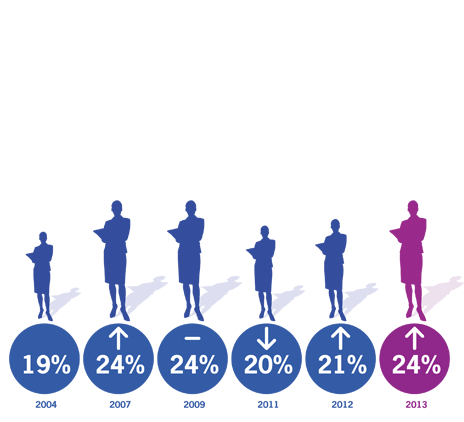
Our International Business Report with insights gained from in-depth interviews with five senior female executives from around the world, this report looks at the role of education in improving female participation and how this can help boost business growth.
These are the results of the Grant Thornton Global Dynamism Index (GDI) 2013, an annual research project designed by the Economist Intelligence Unit, which ranks the development of the business growth environments of 60 of the world's largest economies over the past 12 months.
The US is the largest economy in the world and home to approximately 320 million people. Growth rates remain steady, albeit below pre-crisis levels, and job creation has been strong. Congressional dysfunction, particularly around tax reform is a major concern for business leaders while the strong dollar is weighing on exports. Below is our advice about expanding into the US and its ranking in the Global Dynamism Index 2015.
Australia is the 12th largest economy in the world and home to over 23 million people. China has been the country's largest trading partner since 2009 and booming commodity exports to its Asian neighbour meant Australia avoided recession during the financial crisis. Here you'll find some guidance about doing business in Australia and how it fared in the Global Dynamism Index 2015.
Mexico is the 15th largest economy in the world, the second largest in Latin America and has over 122 million inhabitants. Growth rates remain closely tied to those of its US neighbour and the destination for over 75% of exports. The government hopes that an ambitious programme of reform should boost long-term economic prospects. Read about doing business in Mexico and how it fared in the Global Dynamism Index 2015.
Welcome to the third edition of Transfer Pricing News. This provides updates on transfer pricing developments from a number of countries across the globe – a necessity in the global economy we all now inhabit.
Singapore's economy ranks 36th in the world and has a population of just over 5 million people. The economy is heavily dependent on trade flows and the government is promoting an active industrial strategy designed to diversify and strengthen the economy long-term and upgrade the skills of local workers. Below you can read more information about Singapore and its Global Dynamism Index ranking.