The US is the largest economy in the world and home to approximately 320 million people. Growth rates remain steady, albeit below pre-crisis levels, and job creation has been strong. Congressional dysfunction, particularly around tax reform is a major concern for business leaders while the strong dollar is weighing on exports. Below is our advice about expanding into the US and its ranking in the Global Dynamism Index 2015.
Australia is the 12th largest economy in the world and home to over 23 million people. China has been the country's largest trading partner since 2009 and booming commodity exports to its Asian neighbour meant Australia avoided recession during the financial crisis. Here you'll find some guidance about doing business in Australia and how it fared in the Global Dynamism Index 2015.

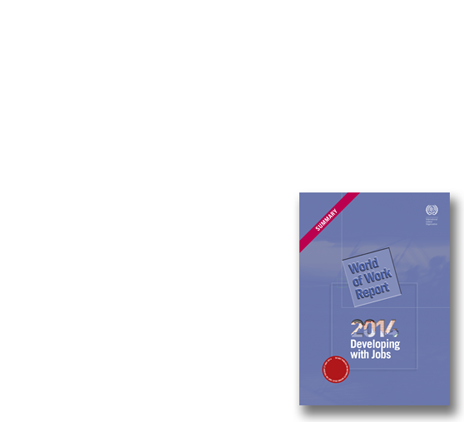
Last week, the International Labour Organisation (ILO) released their annual World of Work report. It contains some stark warnings, particularly for mature economies where it does not expect employment levels to return to pre-crisis levels before 2017. Getting people back into work, the report says, will be a “major global challenge” for years to come and the threat of “social unrest” a major risk.
Advanced Pricing Agreements (APAs) are helping to alleviate the risk of double taxation. In turn, Mutual Agreement Procedures (MAPs) may offer a smoother path to conflict resolution. But neither is a panacea.
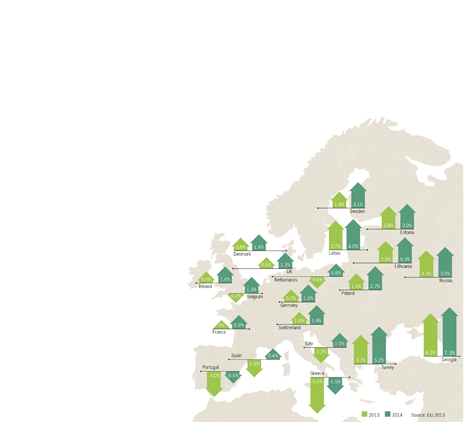
Writing our recently released Future of Europe report, the thing that stood out to me most was the divergence of business opinion on how to handle the eurozone crisis. And not just between the 17 euro ‘ins’ and the 10 euro ‘outs’ – which you might expect – but a split right at the heart of Europe.
I was interviewed on Wednesday morning by Bloomberg and BBC World, discussing our latest IBR results which reveal that the vast majority of business leaders would welcome more guidance on tax planning, even if this reduced their opportunities to cut cross-border tax liabilities.
Having been Managing Partner of Grant Thornton Ireland for 9 years, I was naturally drawn to the mixed views of Irish businesses in our 2013 Future of Europe report which we released this week. The report revealed much support for what the euro has achieved, but very little appetite for further integration.
The Q1 IBR economic update contained a major surprise: For the first time, not one of the BRIC economies made it into the top five for business optimism.
The latest update from our International Business Report (IBR) provided some encouraging signs for the health of the global economy. On the back of easing demand conditions, both investment plans and business confidence are up.
Mexico is the 15th largest economy in the world, the second largest in Latin America and has over 122 million inhabitants. Growth rates remain closely tied to those of its US neighbour and the destination for over 75% of exports. The government hopes that an ambitious programme of reform should boost long-term economic prospects. Read about doing business in Mexico and how it fared in the Global Dynamism Index 2015.

Our annual look at M&A sentiment around the world shows that the shift in acquisitive focus amongst businesses uncovered last year – from domestic to cross-border – is becoming increasingly popular as a key strategy for companies looking to facilitate growth.
There was much cause for optimism in our annual look at women in business through the International Business Report (IBR). The survey reveals that the proportion of women in senior management roles has climbed to 24% (up from 21% in 2012), back up to levels seen before the financial crisis.
Welcome to the third edition of Transfer Pricing News. This provides updates on transfer pricing developments from a number of countries across the globe – a necessity in the global economy we all now inhabit.