The Philippine economy is growing fast. GDP expanded by 6.8% in 2012 and, whilst remittances climbed to a record high of US$23.8 billion in 2012, their share of GDP actually dropped to 8.5%, down from 9% in 2011.
One of the most interesting aspects of our recent Global Dynamism Index (GDI) was the strong performance of mature economies. It was a result Ed Nusbaum described as counterintuitive in that the word dynamism tends to be attributed to faster growing emerging markets such as the BRIC economies.
Economic slowdown hampering business growth efforts. Globally, business optimism dropped for the year ahead from net 23% in Q2 to net 8%, well below the 2010-12 average.
The London 2012 Olympic and Paralympic Games were widely regarded as a huge success. Spectators, officials and competitors alike praised not just the efficiency of organisation, but the spirit in which the games were held.
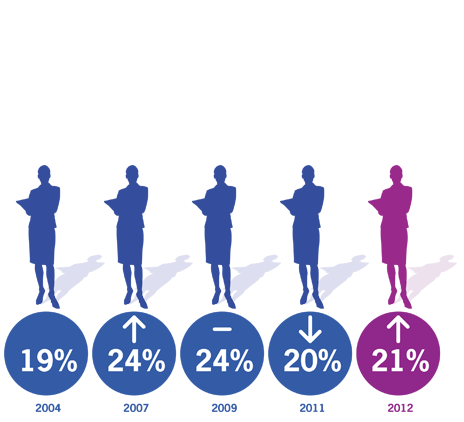
The past 12 months have seen women take the lead in some of the toughest economic and political environments, and they also head governments in countries such as Argentina, Australia, Brazil and Thailand.
Through our International Business Report we’ve been keeping track of global figures on the appetites for both domestic and cross-border transactions since 2008.
Recovery from the financial crisis remains uncertain across both mature and emerging markets. During the past 12 months we have seen volatile commodity prices, disruptions in supply chains, political uprisings and natural disasters.
On-going access to finance is a key issue for high-growth businesses. Those that lack financial firepower may find their growth constrained. Others may encounter problems with cash flow during day to day operations. At the same time the funding landscape has changed drastically since the financial crisis of 2008 – and continues to evolve.
The global economy is going through a very difficult phase. Growth in key emerging markets such as China, Brazil and India is slowing. In the United States, the economy seems to be treading water as everyone waits for the presidential elections in November, despite the looming ‘fiscal cliff’.
Germany is the fourth largest economy in the world and the largest in Europe. The economy has not proved immune from the sovereign debt crisis in the Eurozone but it remains the third largest exporter in the world –in 2014 Germany recorded the largest trade surplus globally. Here's some guidance about expansion into Germany and how it fared in the Global Dynamism Index 2015.
We believe that dynamic organisations need to apply both reason and instinct to decision making. Deciding which markets your business should operate in is no different.
Increasing attention on companies’ cash generation and liquidity position has led financial statement users, regulators and other commentators to focus increasingly on the Statement of Cash Flows. However, this additional focus and scrutiny has also highlighted some common errors and inconsistencies in its preparation. This Guide aims to remind management of IAS 7's basic requirements; highlight interpretative and practical application issues; and provide insights to address these issues.
As the fourth largest oil exporter in the world, Canada avoided recession during the financial crisis, but the dramatic and sustained fall in the global oil price leaves all sectors of the economy vulnerable. It's still coming in as the eleventh largest economy in the world in the 2015 Global Dynamism Index and it's home to 35 million people. Below you'll find tools to inform your international expansion.
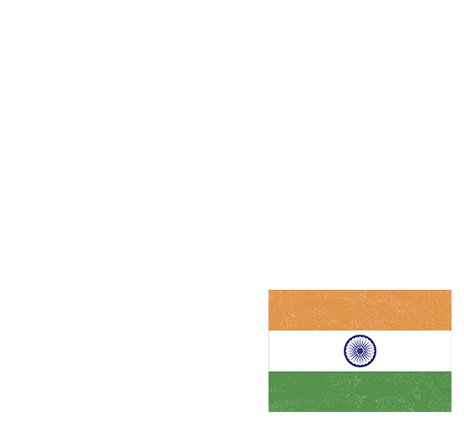
Home to over 1.2 billion people, India is the ninth largest economy in the world according to the Global Dynamism Index 2015. The low global oil prices have helped lower inflation and a more business-friendly administration is aiming to improve the operating environment. However, there are still concerns around creating jobs for the millions of young people entering the workforce every year and the issue of corruption. Here are resources to help develop your international expansion plans.
China is the second largest economy in the world (although the largest on a purchasing power parity basis) and is home over 1.3 billion people. Growth has slowed over recent years as the government rebalances the economy away from investment towards consumption but remains well above 6% per annum. Here is some guidance about doing business in China and how it faired in the Global Dynamism Index 2015.