The economy expanded by an estimated 4.5% in 2013, the fastest rate since the financial crisis. Oil and gas remain central to the success of the economy – the price of oil remains well above US$100 per barrel and the UAE is thought to have the seventh largest reserves in the world (98bn barrels) – accounting for close to 50% of total exports.
Denmark has made some fantastic television dramas over the past few years. ‘The Killing’ and ‘Borgen’ have been compulsive viewing in the Lagerberg household. Both place intelligent, strident women as the main characters and, in the case of political drama, Borgen, imitate life itself by prophetically telling the tale of a female Prime Minister – Helle Thorning-Schmidt becoming the first Prime Minister of Denmark in 2011.

Dynamic businesses at the forefront of M&A activity highlights an increasing importance for M&A in driving growth. There is a clear acknowledgment from the 12,500 businesses surveyed that acquisitions will be needed to supplement existing operations.
Just one in seven delegates at the annual World Economic Forum gathering was a woman this year. This statistic alone explains why the issue of women in businesses inspires so much passion and debate, emphasising that the path from the classroom to the boardroom is anything but straightforward.
I am currently at MIPIM, the annual gathering of property professionals from around the world, and can report that the mood is much improved from this time last year. Developers, property companies, investors and homeowners suffered disproportionately during the financial crisis.
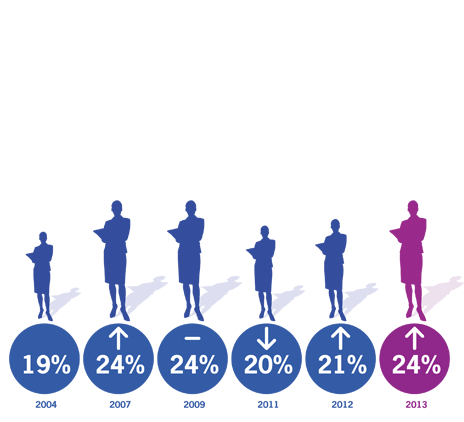
24%: that is the proportion of women holding the most senior roles in businesses across the globe.
The financial crisis was devastating for the hotel industry as consumers and businesses pulled back on discretionary spending. However, the report we released this week ‘Hotel Investment 2014 – Finance on a different level‘ reveals that the impact of the crisis was not all bad – certainly in terms of placing the hotel financing environment on a more balanced and sustainable footing.
Developers, property companies, investors and homeowners suffered disproportionately during the financial crisis. But now, finally, expectations for profitability, jobs and orders are all on the rise.
Business leaders remain cautious about their current and future commitment to M&A. However, this year’s results reveal an increased appetite for cross-border acquisitions, which is at its highest level since the IBR first asked this question in 2008.
Wherever I go in the world, I’d rather be walking a dog than stroking a cat. Some things are the same wherever you are. But does this include business leaders? Working with senior business people across the globe, I’ve found they do share a lot of traits – valuing integrity, a positive attitude and the ability to communicate – even across wide cultural divides.
The role of leaders in creating successful businesses and driving growth is crucial. How these leaders run their teams and make decisions can be the difference between success and failure. But do the leadership characteristics displayed by leaders vary from region to region?
I read a fascinating article in the Wall Street Journal the other day which suggested that my region could broadly be thought of as two separate entities.
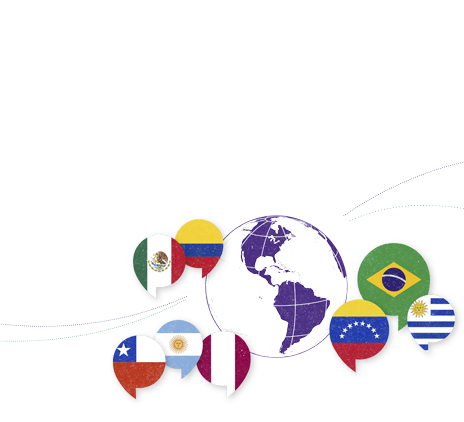
The next 12 months hold a number of opportunities and challenges for Latin America. An estimated 600,000 visitors will descend on Brazil for the FIFA World Cup. They will be joined by television viewers across the globe as Brazil attempts to show the world that despite stadia construction delays and social unrest during the Confederations Cup last summer, it is open for business.
The technology industry is synonymous with innovation, fuelled by investments and a continual focus on research and development (R&D). By its very nature it is at the forefront of change. Those businesses which fail to keep up with technological change and stay current with consumer requirements are left behind.
Drawing on data and insight from the Grant Thornton International Business Report (IBR), the Economist Intelligence Unit (EIU) and the International Monetary Fund (IMF), The global economy in 2014 answers these questions and more.