Whilst corporate tax avoidance continues to grab headlines, some of the biggest reforms are in fact occurring within indirect tax.

Could African mining spark another super cycle?
Cyber-attacks are set to grow in their number and nature; those companies that embed security measures into their culture will be most successful at fending them off, says Paul Jacobs
Three quarters of business leaders would pay more taxes in exchange for greater clarity from authorities on what is acceptable. And while few expect a global agreement any time soon, the majority would like to see their governments take unilateral action to help achieve this aim.
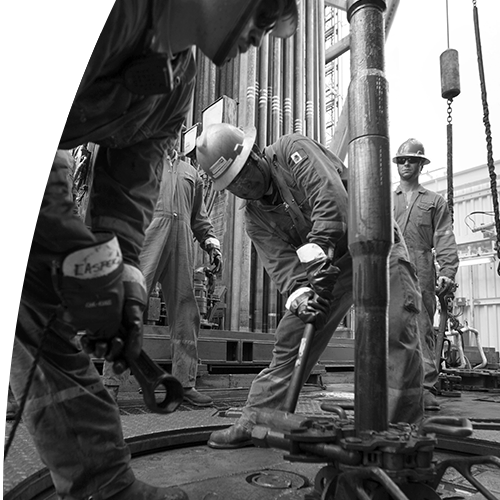
The slump in oil prices has its winners and losers. Jim Menzies, global leader for the food and beverage sector at Grant Thornton, says the outlook is good for food and beverage companies. While Linda Beal global leader for the oil and gas sector at Grant Thornton, says, oil and gas companies are facing significant challenges.
In light of growing international interest and scrutiny of corporate practices we set out to explore how three major aspects of governance – the role of culture, board composition and strategic planning – are affecting businesses around the world.
Although some see International Financial Reporting Standards (IFRS) as a regulatory burden, the evidence suggests that global standards actually oil and accelerate the wheels of global economic growth. Andrew Watchman explains.
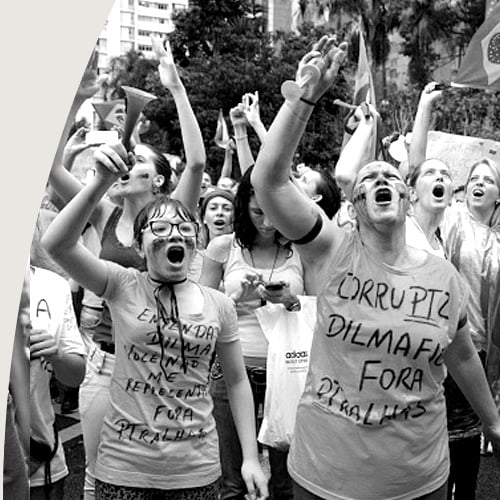
At the G20 summit in Australia last November, global leaders reaffirmed a commitment they made in 2010 to tackle the negative impact of corruption on economic growth, trade and development. In this roundtable debate, Grant Thornton partners from Brazil, India and South Africa discuss how businesses can behave in an ethical manner and thrive, in spite of corrupt practices.
Sallie Stiens, director, global public policy, asks what the mayors of megacities can learn from the CEOs of growing businesses, and vice-versa.
Francesca Lagerberg says the global backlash against corporate tax avoidance means companies that trade across borders need to get their tax affairs in order sooner rather than later
Businesses need to open their eyes to the benefits of measuring and valuing natural capital says global leader for energy & cleantech Nathan Goode.
Nathan Goode on the outlook for renewables in 2015
Grant Thornton article discussing the impact of the Foreign Account Tax Compliance Act (FATCA) on non-US companies.
Real estate and construction is probably not the first sector that comes to mind when you think about environmental sustainability. The construction process consumes large amounts of natural resources and energy, and can create significant waste. While the progress of development continues to add to our quality of life, the built environment is responsible for approximately two-fifths of global energy use and a third of carbon emissions. This means that, from design to demolition, the buildings in which we live, work and play have a huge impact on the environment.
Technology is at the cutting edge of efforts to make growth more sustainable. As the global population swells and more people move into higher consumption classes, the demand for food, for energy, for water, will all increase. But the resources our planet offers will not. Clearly the status quo is not sustainable.
Efficiency and cost savings are big business in hospitality and tourism. It's hard to think of another sector which was such an early adopter of environmentally-friendly business practices.